
Discover Borneo Pygmy Elephants: Wildlife Adventure
Embark on an unforgettable wildlife adventure with Lost Borneo. Explore Sabah’s rainforests, the Kinabatangan River, and Deramakot Forest Reserve while witnessing the rare Borneo pygmy elephants in...
lost borneo tours
7/2/20254 min read

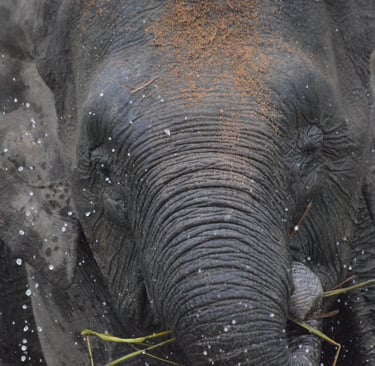
Deep within the emerald jungles of Sabah, where ancient trees rise above winding rivers and the calls of hornbills echo at dawn, lives one of Borneo’s most extraordinary wildlife treasures — the Borneo pygmy elephant. Smaller, gentler, and more elusive than any other Asian elephant, this rare subspecies represents the wild soul of Borneo itself.
For travelers seeking a true adventure beyond the ordinary, encountering pygmy elephants in the wild is not simply wildlife viewing — it is an unforgettable journey into one of Southeast Asia’s last great wildernesses. Lost Borneo invites explorers to step into this untamed world, where conservation, local knowledge, and raw nature come together.
What Makes Borneo Pygmy Elephants So Special?
The Borneo pygmy elephant (Elephas maximus borneensis) is the smallest of all Asian elephants and is found only on the island of Borneo, primarily in the Malaysian state of Sabah. With their rounded ears, long tails that nearly touch the ground, and calmer demeanor, pygmy elephants appear almost storybook-like — yet they are entirely wild.
Unlike their larger mainland relatives, pygmy elephants move quietly through the rainforest, often emerging unexpectedly along riverbanks or forest clearings. Their behavior is less aggressive, more social, and deeply tied to the rhythms of the jungle.
Scientists believe these elephants have been isolated on Borneo for thousands of years, evolving into a genetically distinct subspecies. Today, fewer than 1,500 individuals remain, making every sighting both rare and precious.
An Adventure Written by the Jungle
A pygmy elephant safari is not staged, scripted, or guaranteed. It is an adventure shaped by patience, timing, and respect for the forest.
Journeys often begin at sunrise, when mist drapes itself over the Kinabatangan River or the remote logging tracks of Deramakot Forest Reserve. Boats glide silently through dark water as guides scan muddy banks for footprints, broken branches, or fresh dung — signs that elephants passed through only hours before.
Sometimes the first clue is sound: the snap of bamboo, the rustle of undergrowth, or a low rumble carried through the trees. Then, slowly, the forest opens — and a family of pygmy elephants appears, moving with surprising grace through dense vegetation.
This is the kind of moment Lost Borneo specializes in: authentic, unscripted encounters where wildlife remains wild.
Where to See Pygmy Elephants in Sabah
Kinabatangan River
The Kinabatangan Wildlife Sanctuary is one of the most reliable places to encounter pygmy elephants in the wild. Here, herds often move between forest patches along the riverbanks, especially during early mornings and late afternoons.
River safaris provide a respectful viewing distance while offering breathtaking perspectives — elephants bathing, feeding, or guiding their calves across muddy terrain.
Deramakot Forest Reserve
For those seeking a more exclusive and remote experience, Deramakot Forest Reserve offers a deeper wilderness adventure. Known for its strict conservation management and limited visitor numbers, Deramakot provides a rare opportunity to encounter pygmy elephants far from crowds.
Elephant sightings here feel raw and intimate — often discovered during night drives or long forest patrols where nature dictates every step.
Lost Borneo carefully plans itineraries that respect these protected areas, ensuring minimal impact and maximum authenticity.
The Social Life of Pygmy Elephants
Pygmy elephants live in tight-knit family groups led by a matriarch. These groups consist of mothers, aunts, sisters, and calves, while adult males tend to roam independently.
Observing their social interactions is one of the most moving aspects of a safari. Calves are constantly protected — nudged forward with trunks, sheltered between adults, and taught where to feed and drink. Communication happens through touch, low-frequency rumbles, and subtle body language.
In moments like these, travellers don’t just see elephants — they witness intelligence, memory, and emotion shaped by the forest.
Conservation Challenges Facing Pygmy Elephants
Despite their gentle nature, pygmy elephants face serious threats. Habitat loss due to deforestation, agricultural expansion, and human-wildlife conflict continues to shrink their natural range.
Elephants require vast territories to survive. When forest corridors disappear, herds are forced into fragmented landscapes, increasing conflict with plantations and villages.
Lost Borneo believes that responsible tourism is part of the solution. By supporting conservation-focused reserves, employing local guides, and educating travelers, eco-tourism helps protect elephant habitats while providing economic alternatives for local communities.
Every responsible safari contributes to keeping these giants wild.
Why Explore with Lost Borneo
Lost Borneo was created for travelers who seek more than a checklist experience. Their approach to pygmy elephant adventures is rooted in:
Small group travel for minimal disturbance
Local guides and boatmen with deep forest knowledge
Ethical wildlife viewing with no feeding or forced encounters
Support for conservation areas like Deramakot and Kinabatangan
Rather than rushing from sighting to sighting, Lost Borneo allows time — time to listen, observe, and understand the forest.
This philosophy transforms a safari into a story worth telling.
Best Time to See Pygmy Elephants
Pygmy elephants can be seen year-round, but sightings vary with seasons and forest conditions.
Dry Season (March–September): Easier access, clearer tracks, and frequent river sightings
Green Season (October–November): Fewer tourists, lush landscapes, and a more “wild” experience
Wet Months (December–February): Challenging conditions but rewarding encounters for adventurous travelers
Lost Borneo tailors each itinerary to seasonal patterns, maximizing chances while respecting nature’s unpredictability.
A Journey That Leaves a Mark — Without Taking One
A pygmy elephant safari is not about control. It is about humility — entering a world where humans are visitors and the forest sets the rules.
When travelers leave Sabah, they take memories of silent rivers, massive footprints in the mud, and eyes that reflect ancient intelligence. What they leave behind is just as important: respect, support for conservation, and stories that inspire protection.
Through Lost Borneo, this adventure becomes more than travel. It becomes participation in preserving one of Earth’s rarest wildlife experiences.
Final Thoughts: Into the Wild Heart of Borneo
The Borneo pygmy elephant is not a symbol — it is a living reminder of what still survives when nature is given space.
For those willing to slow down, listen, and explore responsibly, the reward is profound. In the depths of Sabah’s rainforest, where every bend in the river holds mystery, the adventure continues — guided by the gentle giants of Borneo.
Lost Borneo invites you to follow their path.