
Discover the Elusive Leopard Cat in Borneo
Explore the fascinating world of the elusive leopard cat, a small wild feline found in Borneo's rainforests. Learn about its unique spotted beauty, nocturnal behavior, and the importance of conserv...
lost borneo tours
1/2/20253 min read
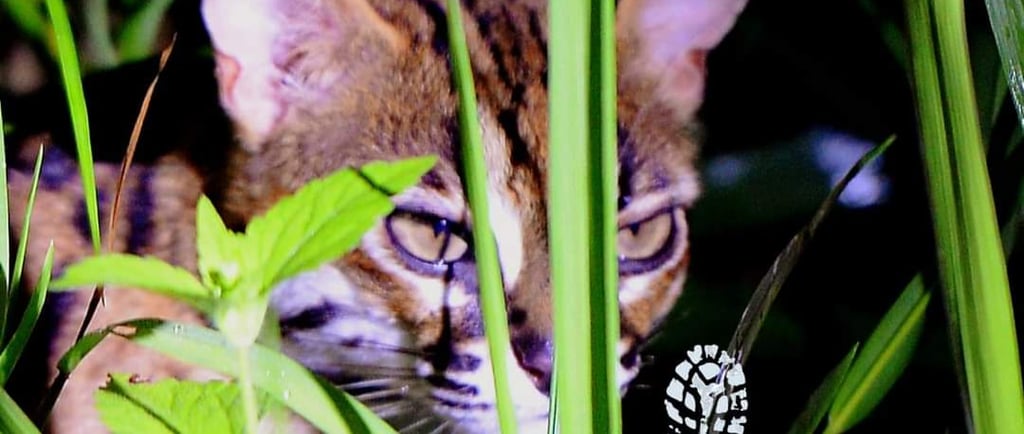
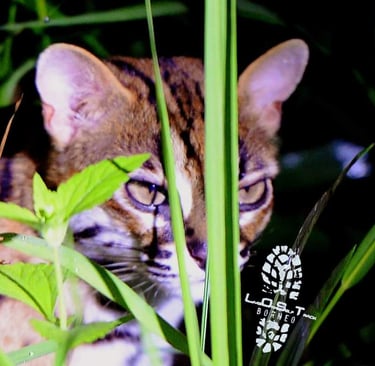
Deep within the ancient rainforests of Borneo, where towering dipterocarp trees meet winding jungle trails, lives one of Southeast Asia’s most elusive wild cats—the Leopard Cat (Prionailurus bengalensis). Small, agile, and beautifully patterned, the leopard cat is a symbol of the untamed wilderness that Lost Borneo seeks to protect and showcase through responsible adventure travel.
Unlike the larger and more famous big cats, the leopard cat survives through stealth rather than strength. Roughly the size of a domestic cat but far wilder in nature, this nocturnal predator is a true jungle ghost. For travelers joining a Lost Borneo adventure, encountering a leopard cat is considered a rare privilege—one that speaks to the health and authenticity of the forest itself.
A Master of Adaptation in Borneo’s Forests
The leopard cat is one of the most adaptable wild cats in Asia. In Borneo, it inhabits a wide range of ecosystems, from lowland dipterocarp forests and riverine areas to secondary forests near plantations. However, the best chances of encountering this secretive feline are deep within protected reserves such as Deramakot Forest Reserve—an area well known for its sustainable forest management and exceptional wildlife density.
Leopard cats are primarily nocturnal, beginning their hunt as dusk settles over the jungle. With sharp senses and incredible agility, they prey on rodents, birds, reptiles, and insects, playing a crucial role in maintaining ecological balance. Their spotted coat provides perfect camouflage among the shadows of the forest floor, making sightings fleeting but unforgettable.
Why Leopard Cats Matter to Conservation
Although currently listed as “Least Concern” globally, leopard cats in Borneo face growing threats from habitat loss, deforestation, and road mortality. Their presence is often an indicator of a healthy ecosystem. Where leopard cats thrive, the forest is still functioning as nature intended.
Lost Borneo actively supports conservation-focused tourism, working closely with forest reserves, local guides, and wildlife authorities. By limiting group sizes, respecting wildlife behavior, and promoting ethical night safaris, Lost Borneo ensures that leopard cat encounters remain non-intrusive and sustainable.
Every responsible wildlife tour helps demonstrate that living forests are more valuable than cleared land—benefiting both wildlife and local communities.
The Thrill of a Leopard Cat Encounter
For many wildlife enthusiasts, seeing a leopard cat in the wild is a highlight of any Borneo adventure. The moment often comes unexpectedly—eyes reflecting briefly in a spotlight during a night drive, a sudden movement along a forest track, or a silent silhouette crossing the road before vanishing back into the darkness.
Lost Borneo’s guided night safaris are designed for patience and respect. Experienced naturalist guides read subtle signs of animal activity, from fresh tracks to alarm calls of prey species. While no sighting is ever guaranteed, the anticipation itself is part of the adventure—every bend in the trail holding the promise of discovery.
Unlike crowded wildlife destinations, places like Deramakot offer exclusivity. Limited accommodation and strict visitor controls mean fewer vehicles, less noise, and a more authentic jungle experience. This increases the chances of spotting rare species such as the leopard cat, clouded leopard, marbled cat, and other nocturnal mammals.
Leopard Cat vs Domestic Cat: Wild at Heart
Although leopard cats may resemble domestic cats, their behavior is entirely different. They are solitary, highly territorial, and intolerant of human presence. This wild nature is exactly what makes them so special. Leopard cats are not animals to be tamed or approached—they are meant to be admired from a respectful distance.
Interestingly, leopard cats are ancestors of the Bengal cat breed, a domestic hybrid known for its spotted coat. Yet seeing the original leopard cat in the wild offers a far deeper connection—to evolution, to nature, and to Borneo’s untouched landscapes.
Best Places in Borneo to See Leopard Cats
Sabah is one of the best regions in Malaysia to observe leopard cats in their natural habitat. Lost Borneo focuses on destinations that balance conservation with genuine wilderness experiences, including:
Deramakot Forest Reserve – One of the top wildlife spotting locations in Borneo, famous for night drives and responsible forestry.
Tabin Wildlife Reserve – A rugged, remote reserve where patience may reward visitors with rare sightings.
Lower Kinabatangan (select areas) – While busier, quieter sections can still yield nocturnal surprises.
Timing is crucial. Leopard cats are most active after sunset, and sightings are more common during drier months when forest tracks are accessible and prey activity is higher.
An Adventure with Purpose
Lost Borneo believes that adventure travel should inspire respect for nature. Every leopard cat sighting is not just a thrill, but a reminder of what is at stake. By choosing responsible tours, travelers contribute directly to conservation efforts, local employment, and the long-term protection of Borneo’s wildlife.
The leopard cat does not roar, does not dominate headlines, and does not seek attention—but it embodies the quiet resilience of the rainforest. To glimpse one in the wild is to witness Borneo as it has been for centuries.
For those willing to venture into the night, guided by experience and respect, the reward may come in a flash of spotted fur and glowing eyes—a fleeting moment that captures the true spirit of Lost Borneo.