
Deramakot Forest Reserve: One of the Best Wildlife Safari Destinations in Asia
Discover Deramakot Forest Reserve in Sabah, Borneo—Asia’s premier wildlife safari for clouded leopards, pygmy elephants and rare rainforest mammals.
lost borneo tours
8/13/20256 min read
Deramakot Forest Reserve: One of the Best Wildlife Safari Destinations in Asia
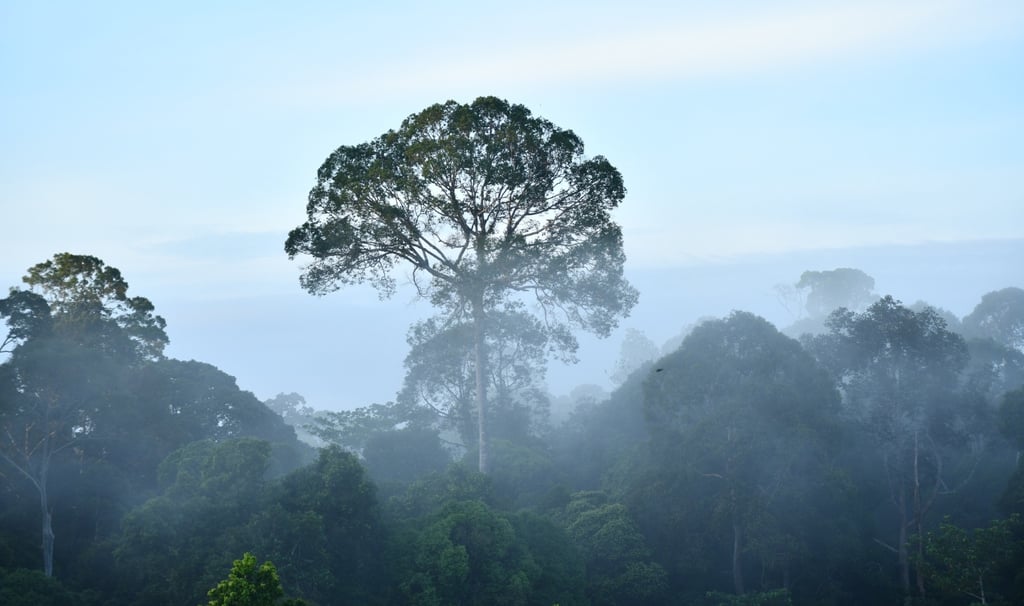
In the deep interior of northern Borneo, where mist clings to the canopy at dawn and cicadas score the falling dusk, Deramakot Forest Reserve stands as one of Asia’s most extraordinary wildlife safari destinations. Far from the crowds and commercial circuits, this 55,000-hectare tract of sustainably managed rainforest in Sabah, Malaysian Borneo, offers something rare in the modern travel landscape: authenticity.
Here, the road itself is an expedition. Night drives unfold beneath cathedral-like dipterocarp forests. The forest breathes. The silence is alive.
Located within the vast Deramakot Forest Reserve and managed as part of the Ulu Segama-Malua Forest Reserve, this pioneering conservation area has quietly built a reputation among wildlife biologists, documentary filmmakers, and serious naturalists as one of Southeast Asia’s most reliable locations for spotting rare mammals in the wild.
This is not a zoo. This is not a curated park. This is rainforest, on its own terms.
Where Is Deramakot Forest Reserve?
Deramakot lies in central Sabah, Malaysian Borneo, approximately five to six hours by road from Kota Kinabalu and around two hours from the rural town of Telupid.
The journey itself sets the tone. Travelers leave the coastal highways and enter the interior: oil palm estates fade, gravel roads begin, and gradually the forest closes in. Muddy tracks, and towering dipterocarp trees signal entry into a wilder Borneo.
Unlike more accessible destinations such as Kinabatangan River, Deramakot requires commitment. That commitment is rewarded.
Why Deramakot Is Considered One of Asia’s Best Wildlife Safari Destinations
A Rare Combination of Accessibility and Wilderness
Asia offers remarkable wildlife experiences — from India’s tiger reserves to Sri Lanka’s leopard parks — but many are heavily trafficked and tightly structured. Deramakot is different. It operates under a low-impact, permit-controlled visitation model that limits the number of guests inside the reserve at any given time.
With a maximum capacity of fewer than 30 visitors at one time, the forest remains quiet. Encounters feel intimate and unscripted.
One of the Highest Mammal Sightings Rates in Southeast Asia
Deramakot has gained international recognition for its extraordinary mammal diversity. Over 75 mammal species have been recorded within the reserve, including some of the rarest carnivores in Asia.
Among the most sought-after sightings:
Sunda clouded leopard
Marbled cat
Leopard cat
Flat-headed cat
Bornean civets
Sun bear
Bornean pygmy elephant
Sambar deer
Bearded pig
Unlike many protected areas where wildlife sightings are left entirely to chance, Deramakot’s extensive network of logging roads — now repurposed as safari tracks — provides access deep into the forest interior, dramatically increasing viewing opportunities during guided night drives.
A Global Pioneer in Sustainable Forest Management
FSC-Certified Tropical Rainforest
What sets Deramakot apart is not just wildlife density but conservation philosophy.
Deramakot became one of the first tropical rainforests in the world to receive certification from the Forest Stewardship Council (FSC). This certification recognizes responsible forest management that balances selective timber harvesting with biodiversity conservation.
Rather than excluding all human activity, Deramakot demonstrates a sustainable model where logging is carefully managed, wildlife corridors are preserved, and ecological integrity remains intact.
This approach has attracted international researchers and conservation organizations, making Deramakot a living laboratory for sustainable forestry.
A Conservation Success Story in Sabah
Sabah has long been at the forefront of conservation in Malaysian Borneo. Alongside protected icons such as Danum Valley Conservation Area and Tabin Wildlife Reserve, Deramakot represents a different model — production forest integrated with wildlife protection.
The result is remarkable: thriving populations of elusive carnivores and megafauna in a working forest landscape.
Wildlife of Deramakot Forest Reserve
Mammals: The Crown Jewels of the Forest
The Sunda Clouded Leopard
The most celebrated resident of Deramakot is the Sunda clouded leopard, a shy and largely nocturnal feline that moves like smoke between the trees. Though sightings are never guaranteed, Deramakot is widely regarded as one of the best places in the world to encounter this elusive predator.
Unlike the African savanna, where wildlife congregates in open plains, Borneo’s rainforest conceals its inhabitants. Sightings are fleeting. A pair of eyes caught in a spotlight. A silhouette slipping across a logging track.
The reward lies in the search.
Bornean Pygmy Elephants
Small in stature but immense in presence, Bornean pygmy elephants roam the forest corridors and riverbanks of Deramakot. During dry periods, herds are occasionally seen crossing roads or browsing at forest edges.
Sun Bears and Civets
The Malayan sun bear — the smallest bear species in the world — inhabits these forests, though encounters are rare. Civets, however, are more frequently observed during night drives, including the binturong and various palm civet species.
Birds: A Paradise for Ornithologists
With over 300 bird species recorded, Deramakot is a magnet for serious birdwatchers.
Among the highlights:
Rhinoceros hornbill
Bornean bristlehead
Crested fireback
Blue-headed pitta
Storm’s stork
The forest canopy comes alive at dawn. Hornbills flap heavily across the sky. Pittas call from shadowed undergrowth. Raptors circle above clearings.
The diversity reflects Borneo’s position as one of the richest biodiversity hotspots on Earth.
Reptiles, Amphibians and Insects
The humid understory shelters a fascinating array of herpetofauna — flying lizards, pit vipers, frogs with translucent skin, and iridescent beetles. Night walks reveal glowing fungi and bioluminescent insects that shimmer like fallen stars.
The Safari Experience in Deramakot
Night Drives: The Signature Experience
Deramakot is synonymous with night safaris.
Open four-wheel-drive vehicles navigate gravel tracks after dark, guided by experienced naturalists equipped with high-powered spotlights. Eyeshine becomes the key to discovery — amber, green, or red reflections revealing mammals in motion.
Unlike African safaris that emphasize daytime game drives, Deramakot’s wildlife is predominantly nocturnal. The forest after sunset transforms into a different world.
Each drive is an unfolding mystery.
Daytime Exploration
While night drives dominate the experience, daytime activities include:
Guided forest walks
River exploration (seasonal)
Birdwatching excursions
Photography sessions
The midday hours offer insight into forest ecology, plant diversity, and sustainable management practices.
Comparing Deramakot to Other Asian Wildlife Destinations
Versus Danum Valley
Danum Valley Conservation Area is renowned for pristine primary rainforest and canopy walkways. It offers luxury eco-lodges and immersive trekking.
Deramakot, in contrast, focuses on wildlife tracking via road networks. It offers higher probabilities for carnivore sightings, especially during night drives.
Versus Kinabatangan River
Kinabatangan River provides excellent river-based wildlife viewing — proboscis monkeys, crocodiles, hornbills. It is more accessible and ideal for shorter visits.
Deramakot demands more time and effort but delivers deeper wilderness immersion and rarer mammal encounters.
Accommodation and Facilities
The accommodation inside Deramakot is simple but comfortable. Rooms are air-conditioned and functional, with dining facilities serving local Malaysian cuisine.
Electricity operates sometimes on scheduled hours, reinforcing the sense of remoteness. Wi-Fi is limited or unavailable — a blessing for those seeking disconnection.
Luxury is replaced with authenticity.
Best Time to Visit Deramakot Forest Reserve
Deramakot operates year-round, but wildlife sightings often improve during wetter months when animals move more frequently along accessible roads.
Sabah’s climate remains tropical:
Average temperatures: 24–32°C
High humidity year-round
Rainfall peaks between November and January
Even during wetter months, night drives continue — though road conditions may slow travel.
Photography in Deramakot
Deramakot is a dream destination for wildlife photographers who appreciate challenge over convenience.
Low-light conditions demand fast lenses and high ISO performance. Spotlit subjects require steady technique and ethical flash use.
The forest rewards patience:
Civets perched in trees
Owls silhouetted against mist
Elephants emerging from darkness
For many photographers, a single frame of a rare cat justifies the journey.
How to Reach Deramakot
Most travelers begin in Kota Kinabalu, the capital of Sabah.
Typical route:
Transfer to Inanam bus terminal
Morning bus to Telupid
Overland transfer into Deramakot by 4WD
Road conditions can be unpredictable. Flights on departure day are not recommended due to potential delays caused by weather or road blockages.
Planning requires flexibility.
Responsible Tourism in Deramakot
Visitors are guests in a fragile ecosystem.
Key principles include:
Maintaining silence during drives
Avoiding flash photography when instructed
Respecting wildlife distance
Following guide instructions at all times
Deramakot’s conservation success depends on minimizing disturbance.
The Emotional Landscape of Deramakot
Deramakot is not for those seeking spectacle. It is for those who understand that true wilderness reveals itself slowly.
There may be hours without sightings. Then, suddenly, a clouded leopard crosses the road.
Moments stretch into memory.
The forest hums. The headlights dim. Somewhere beyond the trees, something moves.
Why Deramakot Matters in the Future of Asian Wildlife Tourism
As wildlife tourism grows across Asia, many destinations struggle to balance demand with ecological integrity.
Deramakot offers a blueprint:
Controlled visitor numbers
Sustainable forestry integration
Scientific monitoring
Community employment
In an era where wild spaces shrink, Deramakot demonstrates coexistence.
Frequently Asked Questions
Is Deramakot suitable for families?
Yes, though the experience is best suited for older children interested in wildlife and able to tolerate long night drives.
Are wildlife sightings guaranteed?
No ethical safari guarantees wildlife. However, Deramakot has among the highest recorded mammal encounter rates in Southeast Asia.
How many nights are recommended?
A minimum of three to four nights increases chances of rare sightings.
Final Reflection: Asia’s Hidden Safari Jewel
Deramakot Forest Reserve remains one of Asia’s most compelling wildlife destinations not because it is easy — but because it is real.
It asks visitors to slow down. To listen. To wait.
In return, it offers encounters few places on Earth still can: a wild cat stepping from shadow, elephants moving like ghosts through fog, hornbills beating against a rising sun.
For those willing to travel beyond the obvious, beyond the marketed and manicured, Deramakot reveals a deeper Borneo.
A forest not performed — but lived.
And in that living forest, Asia’s true safari unfolds.