
Night Safari in Deramakot: Explore Borneo’s Wildlife After Dark with Lost Borneo
Join Lost Borneo for an unforgettable night safari in Deramakot Forest Reserve, Sabah. Spot slow lorises, leopard cats, civets, and gliding mammals in their natural habitat under experinced guidance.
lost borneo tours
1/5/20254 min read
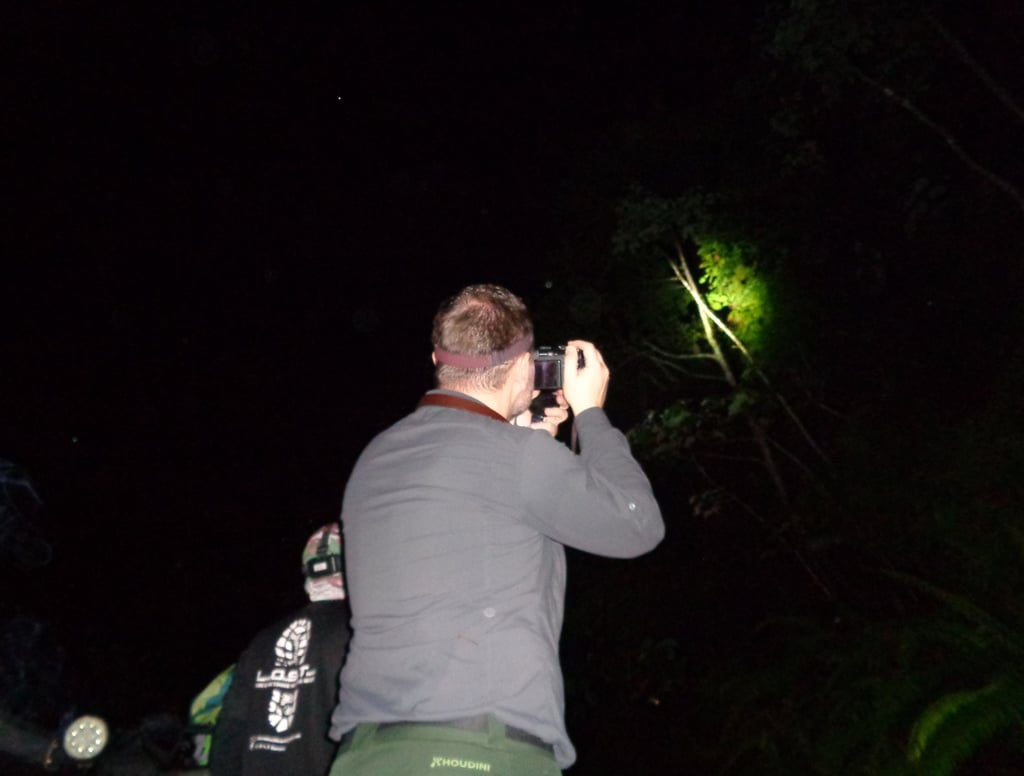
Night Safari in Deramakot Forest Reserve | Lost Borneo After Dark
When the engine slows and the headlights soften, the rainforest begins to breathe differently.
Deep inside Deramakot Forest Reserve, guided by Lost Borneo, and night has fully settled over one of Sabah’s most important conservation landscapes. The temperature drops slightly, the air thickens with moisture, and the sounds — insects, frogs, unseen movement — rise in layers.
This is not entertainment.
This is not a scripted experience.
This is a true night safari in Borneo, where wildlife dictates the rules and humans observe quietly from the margins.
Why Lost Borneo Chooses Deramakot for Night Safaris
Deramakot Forest Reserve is not the easiest place to reach, and that is precisely why it remains extraordinary.
Covering more than 55,000 hectares of protected lowland rainforest, Deramakot is internationally recognized for its sustainable forest management and strict wildlife protection policies. Unlike many forests in Borneo, Deramakot has never been converted to plantations, allowing wildlife populations to remain stable and diverse.
Lost Borneo’s Philosophy in Deramakot
Lost Borneo operates night safaris here for one simple reason: this forest still works as an ecosystem.
No artificial feeding
No spotlight abuse
No rushed sightings
No guarantees — only honest probability
Our approach prioritizes authentic encounters, guided by experienced local naturalists who understand animal behaviour, forest ethics, and conservation responsibility.
At night, this philosophy matters more than ever.
The Transition from Day to Night in Deramakot
The First Hour After Sunset
The most dramatic moment of any night safari happens quietly — during the transition.
As daylight fades, diurnal birds retreat and nocturnal species begin to emerge. Cicadas start their mechanical chorus. Frogs announce territories from roadside pools. Fireflies appear like scattered sparks at the forest edge.
The vehicle moves slowly, stopping often. Lost Borneo guides scan the road, the undergrowth, and the canopy simultaneously. Eye shine appears — brief, distant, then closer.
The forest has officially shifted to its night shift.
Civets: The Night Safari Regulars
The Backbone of Nocturnal Sightings
If Deramakot had a signature night animal, it would be the civet.
On most Lost Borneo night safaris, guests encounter multiple civet species, often within the first hour:
Commonly Seen Civets
Common Palm Civet
Malay Civet
Small-toothed Palm Civet
Less Common but Possible
Banded Civet
Civets appear unexpectedly — crossing the road, foraging along forest edges, or pausing motionless under the spotlight. Some glance briefly before melting back into darkness. Others remain completely still, confident and unbothered.
Their behavior reflects decades of protection. In Deramakot, civets are not persecuted. They move like animals that know they belong.
Slow Lorises: Rare, Delicate, and Unforgettable
One of Borneo’s Most Special Nocturnal Primates
Few sightings create the same hush inside a vehicle as a slow loris.
High in the canopy, a pair of glowing eyes reflects the spotlight. Movement is deliberate, almost unreal. A slow loris grips a branch with extraordinary strength, navigating the darkness with silent precision.
Seeing a slow loris in the wild is rare anywhere in Southeast Asia. Seeing one in Deramakot, under ethical conditions, is a privilege.
Lost Borneo guides are trained to:
Keep distance
Limit light exposure
Observe without disturbance
This ensures the encounter remains safe — for both guest and animal.
Flying Squirrels and Gliding Mammals of the Night
When Shadows Learn to Fly
One moment the forest is still. The next, something glides.
Giant flying squirrels are among the most exciting surprises on a Deramakot night safari. Launching from high branches, they glide effortlessly across roads and clearings, membranes fully extended, landing with surgical precision.
On rarer nights, guests may also encounter the colugo — often called the flying lemur, though it is neither. With the largest gliding membrane of any mammal, a colugo descending through the forest feels less like an animal sighting and more like witnessing nature’s engineering.
These moments are brief, unscripted, and unforgettable.
Leopard Cats: The Night Hunter of Deramakot
A Highlight of Lost Borneo Night Safaris
Deramakot is widely regarded as one of the best places in Borneo to see leopard cats — and with good reason.
Unlike many forest reserves where sightings are fleeting, leopard cats here often patrol roads calmly, hunting rodents attracted to warmth and insects.
I have watched leopard cats:
Walk directly toward the vehicle
Pause mid-road, scanning for prey
Melt into vegetation only meters away
Their confidence is not aggression — it is familiarity with a landscape where they are not threatened.
For many Lost Borneo guests, the leopard cat becomes the defining memory of the night.
Rare and Exceptional Wildlife Encounters
When Luck Meets Conservation
Lost Borneo never promises rare species — but Deramakot makes them possible.
On exceptional nights, sightings may include:
Rare Mammals
Sunda Clouded Leopard
Marbled Cat
Sun Bear
Other Nocturnal Species
Porcupines
Otters near rivers
Bearded pigs crossing forest roads
These encounters are uncommon, unpredictable, and deeply meaningful precisely because they are not staged.
When they happen, they confirm one truth: Deramakot is still wild.
Night Birds, Frogs, and the Sound of the Forest
The Unsung Stars of the Night Safari
Even when mammals are quiet, the forest never is.
Nightjars sit motionless on roads, relying on camouflage until the final moment. Frogmouths cling to branches like broken limbs. Owls call from unseen perches, their silhouettes occasionally revealed by a gentle sweep of light.
The soundscape includes:
Tree frogs calling in overlapping rhythms
Insects buzzing, clicking, humming
Muntjac deer barking in the distance
The heavy movement of unseen animals in the undergrowth
Lost Borneo night safaris are as much about listening as seeing.
The Importance of Experienced Local Guides
Why Lost Borneo Night Safaris Are Different
A night safari is only as good as the guide leading it.
Lost Borneo works with experienced local naturalists who:
Understand animal behavior
Identify species by eye shine and movement
Know when to stop, wait, or move on
Priorities animal welfare over photographs
There is no chasing, crowding, or pressure to perform.
This professionalism leads to better sightings — and better ethics.
What to Expect on a Lost Borneo Night Safari in Deramakot
Setting the Right Expectations
To truly enjoy Deramakot at night, expectations must be realistic.
Practical Realities
Drives can last several hours
Sightings vary by night and season
Patience is essential
Silence improves success
This is not a checklist safari. It is a process — one that rewards curiosity and respect.
Guests who arrive with open minds leave with deeper understanding.
Why Deramakot After Dark Stays With You
You have experienced night safaris across Asia. Many are exciting. Some are dramatic.
Deramakot, with Lost Borneo, is different.
Here, wildlife is not conditioned to humans. The forest does not perform. Encounters feel genuine because they are.
As you return to camp near midnight, the sounds continue. The forest does not quiet down for you. It does not care that we are leaving.
And that, perhaps, is the highest compliment a place like this can offer.
Final Thoughts: Lost Borneo in the Night
A night safari in Deramakot with Lost Borneo is not about ticking species off a list.
It is about:
Entering a functioning rainforest
Witnessing nocturnal life on its own terms
Understanding conservation through experience
After dark, Deramakot belongs to the wild.
Lost Borneo simply gives you the chance to see it — briefly, respectfully, and honestly.