
Spotting Orangutans: Rehabilitation Centres vs the Wild – Which Experience Is Better?
Discover the difference between spotting orangutans at rehabilitation centres versus in the wild. Learn about ethics, adventure, safaris, river cruises, and conservation to choose the best orangutan experience.
lost borneo tours
3/8/20255 min read
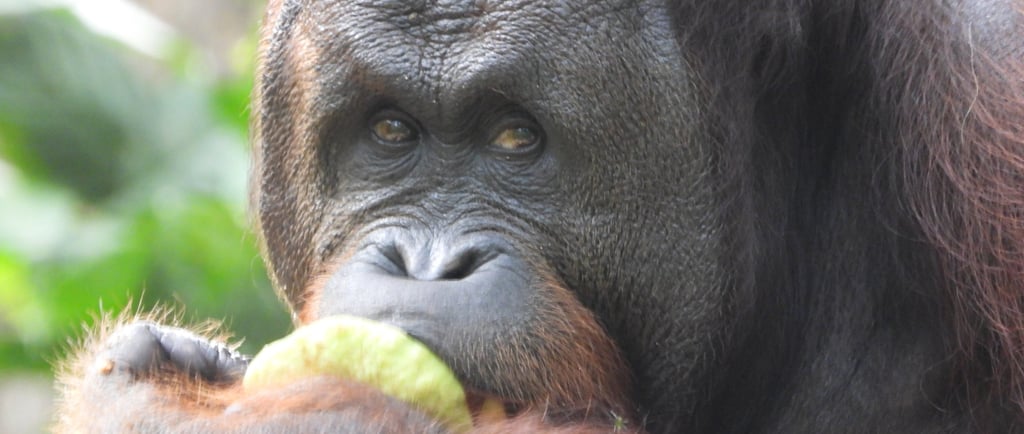
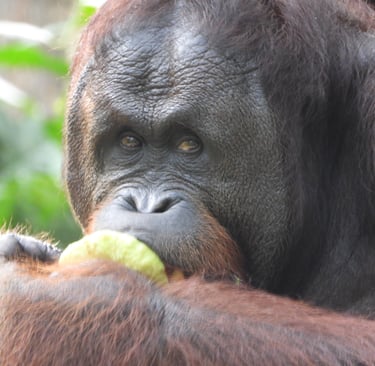
Spotting Orangutans: Rehabilitation Centers vs the Wild – A Complete Guide for Ethical Adventure Seekers
Seeing an orangutan in real life is a powerful, emotional experience. These intelligent great apes, known as the “people of the forest,” captivate travelers, wildlife photographers, and conservationists alike. But when planning an orangutan encounter, one important question arises: Is it better to see orangutans at a rehabilitation center or in the wild?
This guide explores the key differences between spotting orangutans at rehabilitation centers versus in their natural habitat, helping travelers make informed, ethical, and rewarding choices. Whether you’re an adventure traveler, eco-tourist, or wildlife enthusiast, understanding these differences will elevate both your experience and your impact.
Understanding Orangutans and Their Conservation Status
Who Are the Orangutans?
Orangutans are highly intelligent great apes native to the rainforests of Borneo and Sumatra. There are three species:
Bornean orangutan (Pongo pygmaeus)
Sumatran orangutan (Pongo abelii)
Tapanuli orangutan (Pongo tapanuliensis)
They are known for their problem-solving skills, long maternal care, and solitary nature.
Why Are Orangutans Endangered?
Orangutans are critically endangered, mainly due to:
Deforestation and palm oil expansion
Illegal wildlife trade
Human-wildlife conflict
Forest fires and habitat fragmentation
Rehabilitation centres and protected wild habitats play different but complementary roles in ensuring their survival.
What Is an Orangutan Rehabilitation Centre?
Purpose of Rehabilitation Centres
Orangutan rehabilitation centres rescue, rehabilitate, and—when possible—release orangutans back into the wild. Many rescued orangutans were previously kept as pets, injured, or orphaned due to deforestation.
Common Rehabilitation Centres in Southeast Asia
Some well-known centres include:
Sepilok Orangutan Rehabilitation Centre (Sabah, Malaysia)
Orangutan Foundation International (Central Kalimantan, Indonesia)
Bukit Lawang (Sumatra, Indonesia)
These centres also serve as education and conservation hubs for visitors.
Spotting Orangutans at Rehabilitation Centres
Accessibility and Ease of Viewing
One of the biggest advantages of rehabilitation centres is predictability.
Key Benefits:
High chance of seeing orangutans
Short walking distances
Well-maintained boardwalks and viewing platforms
Suitable for families and casual travelers
For first-time visitors, rehabilitation centres provide an accessible introduction to orangutan conservation.
Orangutan Behavior in Rehabilitation Settings
Orangutans in rehabilitation centres may still exhibit natural behaviors such as climbing, foraging, and social interaction. However:
Some are semi-habituated to humans
Feeding platforms may influence movement patterns
Younger orangutans often stay longer near visitor areas
This creates excellent photo opportunities, but the experience is less raw and authentic with the man made platform than in the wild.
Educational Value
Rehabilitation centres excel in education.
What You Learn:
Orangutan biology and behavior
Conservation challenges
Rehabilitation processes
How tourism supports conservation funding
Guides are typically trained and knowledgeable, making the experience highly informative.
Spotting Orangutans in the Wild
What Does “In the Wild” Really Mean?
Seeing orangutans in the wild usually involves trekking through protected rainforests, such as:
Gunung Leuser National Park (Sumatra)
Tanjung Puting National Park (Borneo)
Danum Valley (Sabah)
Deramakot Forest Reserve
Here, orangutans live fully independent lives, with no feeding platforms or human support.
The Adventure Factor: Wild Orangutan Encounters
Beyond Walking: Safaris and River Cruises
Wild orangutan encounters are not limited to jungle trekking. In many parts of Borneo and Sumatra, river safaris and jungle cruises offer a different, equally thrilling way to observe orangutans in their natural habitat.
In places like Tanjung Puting National Park, travelers explore the rainforest aboard traditional wooden boats known as klotoks. These slow-moving river cruises glide through dense jungle corridors where orangutans are often spotted feeding, resting, or moving through the canopy along riverbanks. Deramakot Forest Reserve by safaris
Adventure Experiences May Include:
Multi-day river safaris through protected rainforest
Wildlife spotting from boats, including orangutans, proboscis monkeys, and hornbills
Overnight jungle cruises and safaris with accommodation
Early-morning and late-afternoon wildlife viewing
Safaris are especially appealing to travelers who want deep immersion without physically demanding hikes, while still maintaining a strong sense of adventure.
Unpredictability and the Thrill of Discovery
Whether by 4x4 safari, boat or on foot, wild orangutan encounters remain unpredictable.
Orangutans roam large territories
Sightings depend on fruiting seasons and weather
Animals dictate the encounter—not humans
This uncertainty heightens the emotional impact. Spotting an orangutan from a quiet river cruise or deep in untouched rainforest feels earned, intimate, and profoundly authentic.
Orangutan Behavior: Rehabilitation Centres vs the Wild
Behavior in Rehabilitation Centres
At rehabilitation centres, orangutans are at various stages of recovery and rewilding. Their behavior often reflects a transition between human-influenced environments and natural instincts.
You may observe:
Orangutans approaching feeding platforms
Younger individuals engaging in playful, social behavior
Semi-habituated animals showing curiosity toward humans
More frequent daytime visibility
While these behaviors are natural, they occur in a managed setting designed to support survival skills and health monitoring.
Behavior in the Wild
In contrast, wild orangutans display fully independent behavior shaped entirely by the rainforest ecosystem.
Typical observations include:
Solitary individuals moving quietly through the canopy
Foraging for wild fruits, leaves, and bark
Nest building high in trees for daytime rest or overnight sleep
Minimal reaction to human presence
Wild orangutans are less predictable and often remain at great heights, reinforcing the sense that visitors are entering their world—not the other way around.
Authenticity and Natural Rhythms
The key difference lies in autonomy. Rehabilitation centre orangutans operate within protective boundaries, while wild orangutans follow natural rhythms dictated by food availability, weather, and territory. This autonomy is what makes wild encounters feel raw, rare, and deeply respectful.
Unpredictability and Rarity
Unlike rehabilitation centres, wild sightings are never guaranteed.
Orangutans are solitary
They spend most of their time high in the canopy
Weather and fruiting seasons affect visibility
However, when you do spot one, the moment is unforgettable.
Authenticity of Experience
Wild encounters showcase true orangutan behavior—from nest building to long-distance calls—without human influence. This authenticity is what many travelers seek.
Ethical Considerations for Responsible Travelers
Is It Ethical to Visit Rehabilitation Centres?
Yes—when done responsibly.
Ethical centers:
Limit human interaction
Prohibit touching or selfies
Focus on release, not entertainment
Reinvest tourism revenue into conservation
Avoid facilities that treat orangutans like attractions rather than wildlife.
Ethics of Wild Orangutan Tourism
Wild tourism must also be carefully managed.
Responsible Practices Include:
Hiring licensed local guides
Keeping safe distances
Limiting group sizes
Following park regulations
Poorly managed tourism can stress animals and damage fragile ecosystems.
Photography: Rehab vs Wild Orangutans
Rehabilitation Centers for Photography
Ideal for:
Clear sightlines
Consistent lighting
Close-range shots
Great for beginners and wildlife photographers building portfolios.
Wild Photography Challenges
Wild orangutan photography is more demanding:
Dense foliage
Low light
Long lenses required
Brief viewing windows
However, the resulting images are often more powerful and authentic.
Which Experience Is Right for You?
Choose a Rehabilitation Centre If You:
Are short on time
Want guaranteed sightings
Are traveling with children
Prefer educational experiences
Are new to wildlife travel
Choose the Wild If You:
Seek adventure and immersion
Value authenticity over certainty
Are physically fit
Enjoy multi-day safaris and cruises
Want minimal human influence
Combining Both Experiences for Maximum Impact
Many seasoned travelers recommend doing both.
Why Combination Trips Work Best
Rehabilitation centres provide context and education
Wild encounters deliver emotional depth and realism
Together, they create a complete understanding of orangutan conservation
This approach also spreads tourism benefits across multiple conservation efforts.
The Conservation Impact of Your Choice
How Your Visit Helps Orangutans
Whether you choose rehab centres or wild parks, responsible tourism:
Funds habitat protection
Supports local communities
Discourages illegal wildlife trade
Raises global awareness
Your travel decisions directly influence the future of orangutans.
Final Thoughts: Rehabilitation Centres vs the Wild
There is no “better” option—only different experiences with different values.
Rehabilitation centres offer education, accessibility, and conservation insight, while wild encounters deliver raw adventure, authenticity, and deep emotional connection. Both play vital roles in orangutan survival.
For the conscious traveler, the most important goal is not just spotting an orangutan—but ensuring these magnificent creatures continue to thrive for generations to come.