
Why Safari Offers Greater Wildlife Sightings Than Jungle Treks or Nature Walks
Discover why wildlife safaris provide higher chances of animal sightings than jungle trekking or trail walks, with expert insights on behavior, safety, and terrain.
lost borneo tours
6/3/20255 min read
Why Safari Delivers Greater Chances of Spotting Wildlife Than Trail Walks or Jungle Trekking
In the world of wildlife exploration, few experiences compare to the thrill of spotting a wild animal in its natural habitat. Whether it’s a leopard emerging from tall grass or a herd of elephants crossing a dusty track, these moments stay etched in memory forever. While trail walks and jungle trekking offer immersive connections with nature, a safari consistently provides far greater chances of wildlife sightings.
This is not by chance—it is the result of strategy, science, terrain knowledge, and conservation-driven design. In this blog, we explore why safaris outperform walking trails and jungle treks when it comes to wildlife sightings, especially for photographers, nature enthusiasts, and adventure travelers seeking meaningful encounters.
Understanding the Core Difference Between Safari and Jungle Trekking
Before diving into why safaris are more effective, it’s important to understand how these experiences differ in structure and purpose.
What Is a Wildlife Safari?
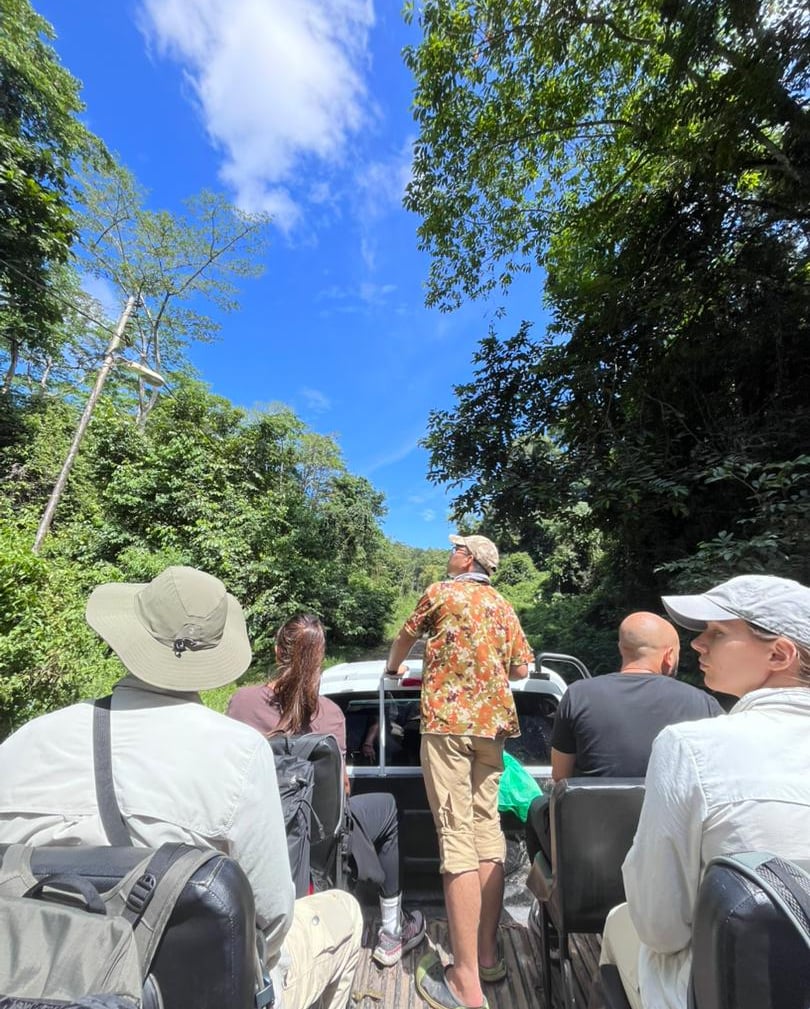
A safari is a vehicle-based wildlife exploration, typically conducted in protected reserves and national parks. Safaris follow designated routes, operate during peak animal activity hours, and are guided by trained naturalists and drivers who specialize in tracking wildlife behavior.
What Are Trail Walks and Jungle Trekking?
Trail walks and jungle treks are on-foot explorations, often focused on flora, birdlife, insects, and forest ecology. These experiences emphasize silence, mindfulness, and ecological learning rather than high-probability animal sightings.
The Primary Objective Matters
Safari objective: Maximize wildlife sightings safely and ethically
Trekking objective: Immerse in nature and understand ecosystems
This difference alone explains much of the disparity in sighting success.
Wildlife Behavior Favors Safari Conditions
Animals behave very differently around vehicles than they do around humans on foot.
Animals Are Habituated to Safari Vehicles
In most protected reserves, wildlife has grown accustomed to safari vehicles over decades. These vehicles:
Move predictably
Do not pose direct physical threat
Are part of the daily landscape
As a result, animals often ignore vehicles entirely, continuing natural behaviors such as hunting, feeding, or resting.
Humans on Foot Trigger Survival Instincts
In contrast, animals instinctively perceive humans on foot as:
Potential predators
Unpredictable threats
Direct competition
This causes animals to:
Retreat deeper into cover
Become nocturnal
Remain hidden and alert
Visibility vs. Vulnerability
Wild animals prioritize survival. Safari vehicles allow animals to feel less vulnerable, making sightings far more frequent and prolonged.
Safaris Cover Larger Areas Efficiently
Distance and terrain coverage play a crucial role in wildlife spotting.
Greater Ground Coverage Means Higher Wildlife Encounter Probability
One of the strongest reasons safaris deliver better wildlife sightings lies in simple mathematics: the more territory you scan, the higher your chances of encountering animals.
Safari Vehicles Multiply Search Radius
A safari vehicle allows explorers to cover extensive distances within a limited time frame. Instead of relying on a single walking path, safaris move continuously through multiple zones where animal movement is known to occur. This expanded search radius dramatically increases the probability of intersecting with wildlife activity.
In contrast, trail walks and jungle trekking are confined to slow-paced movement along fixed routes. Even with patience and silence, the limited range reduces the number of potential encounters.
Continuous Scanning While in Motion
During a safari, observation happens while moving, not only when stopping. Guests scan both sides of the track, tree lines, clearings, and distant movement simultaneously. This creates constant visual engagement over long distances.
On foot, attention must remain focused on:
Ground safety
Navigation
Noise control
This naturally narrows the field of observation and reduces spotting efficiency.
Ability to Respond Instantly to Wildlife Movement
Wildlife is rarely stationary. Animals cross paths, follow scents, or move in response to sounds and other animals. Safari vehicles can immediately adjust direction to follow:
Fresh tracks
Movement alerts
Distant sightings
Jungle trekking does not allow for rapid directional changes without compromising safety. Once an animal moves away from a walking route, the opportunity is often lost.
Time Efficiency Creates More Encounter Windows
Safaris maximize exposure within limited park hours. By covering more distance in less time, visitors experience multiple encounter windows instead of waiting passively in one location.
Greater coverage does not mean rushing—it means strategic movement, ensuring every minute increases the likelihood of discovery.
Strategic Route Planning
Safari routes are designed using:
Historical sighting data
Seasonal migration patterns
Water source locations
Fruiting trees locations
Treks, on the other hand, are restricted to safe walking trails, often avoiding high-density predator zones.
Adaptive Movement Based on Real-Time Sightings
Safari drivers communicate with other vehicles and forest authorities, allowing them to:
Change routes instantly
Follow fresh tracks
Respond to alarm calls or movement patterns
This dynamic approach significantly boosts sighting probability.
Professional Tracking Expertise Enhances Safari Success
One of the most overlooked advantages of safari experiences is the human expertise behind the wheel.
Highly Trained Naturalists and Drivers
Safari teams are trained in:
Animal behavior analysis
Track and scat identification
Bird alarm calls
Seasonal movement patterns
Their ability to read subtle signs dramatically increases the chance of sightings.
Decades of Field Experience
Many safari guides have spent years—sometimes generations—working in the same forest. This deep familiarity allows them to anticipate animal movements with remarkable accuracy.
Trek Leaders Focus on Safety Over Sightings
Trail walk leaders prioritize:
Group safety
Terrain navigation
Environmental education
While knowledgeable, they cannot actively track large wildlife without increasing risk.
Safety Enables Deeper Wildlife Zones
Safety protocols directly impact where humans are allowed to go.
Safari Vehicles Allow Access to Core Wildlife Areas
National parks designate core zones where predator density is highest. These areas:
Are accessible only by vehicle
Are off-limits to walking treks
Host the most iconic species
Trekking Routes Avoid High-Risk Wildlife Corridors
For safety reasons, trekking routes:
Skirt dense predator habitats
Avoid thick undergrowth
Remain close to exit points
This significantly reduces chances of encountering large mammals.
Safety Equals Opportunity
Because safari vehicles provide physical protection, visitors can safely observe wildlife in areas where walking would be impossible.
Timing and Wildlife Activity Favor Safaris
Animals follow predictable activity patterns that safaris are designed around.
Safaris Operate During Peak Wildlife Hours
Most safaris occur:
Early morning (dawn)
Late afternoon (dusk)
Night
These are the hours when animals are most active, hunting, drinking, or moving territories.
Trekking Is Often Restricted by Daylight and Climate
Walking trails may be limited by:
Heat
Humidity
Safety regulations
As a result, treks often avoid peak predator activity periods.
Seasonal Advantage of Safari Planning
Safaris are adapted to seasonal changes such as:
Dry-season water concentration
Monsoon vegetation density
Mating and migration cycles
This strategic planning further enhances sighting success.
Superior Observation and Photography Opportunities
Wildlife sightings are not just about seeing animals—but seeing them well.
Elevated Viewing Position
Safari vehicles provide:
Higher vantage points
Clear sightlines over grass
Stable observation platforms
On foot, visibility is often obstructed by dense foliage.
Better Conditions for Wildlife Photography
Vehicles allow:
Use of long lenses
Stable shooting positions
Time to frame and observe behavior
Photography during treks is often limited to macro subjects or birds.
Prolonged Encounters Without Disturbance
Because animals are less threatened by vehicles, safari sightings last longer, offering richer observational experiences.
Conservation Design Supports Safari Effectiveness
Modern wildlife reserves are intentionally structured to support safari-based conservation.
Minimal Ecological Impact Compared to Foot Traffic
Repeated foot traffic can:
Damage undergrowth
Disrupt nesting sites
Alter animal movement
Safari routes centralize human movement, reducing overall disturbance.
Trail Walks and Jungle Trekking Still Have Their Place
While safaris excel in wildlife sightings, trekking offers unique value.
Deeper Connection With Nature
Trail walks provide:
Sensory immersion
Botanical knowledge
Bird and insect diversity
Ideal for Eco-Learning and Mindful Exploration
Treks are perfect for:
Understanding ecosystems
Forest bathing experiences
Conservation education
Complementary, Not Competitive
The most rewarding wildlife journeys often combine:
Safari for sightings
Trekking for understanding
Conclusion – Why Safari Remains the Ultimate Wildlife Experience
When it comes to maximizing wildlife sightings, safaris are unmatched. From animal behavior and safety access to expert tracking and strategic timing, every aspect of a safari is engineered for successful encounters.
Trail walks and jungle trekking offer serenity, learning, and intimacy with nature—but if your goal is to witness iconic wildlife in action, a safari delivers greater chances, deeper encounters, and unforgettable moments.
In the end, the choice isn’t about which experience is better—it’s about choosing the right experience for your adventure goals. And for those chasing the magic of the wild, the safari remains the undisputed gateway to nature’s greatest spectacles.